










The Minimalist Guide to Texture and Tone: 5 Interior design tips
Minimalism is often misunderstood. It’s seen as stripping back, taking character away, when really, it’s about intention. The best minimalist spaces aren’t cold or empty; they’re measured. Every texture, tone, and surface earns its place.
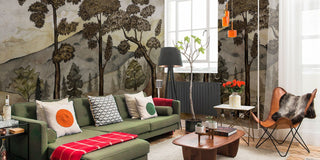
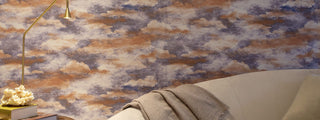
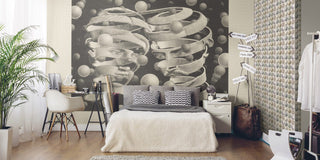
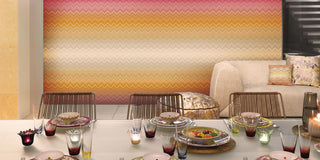
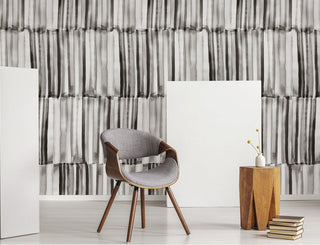
In this guide, we explore six ways to bring that intention to life through texture and tone, using visual examples from Wall&Decò’s Essentials Collection. Made in vinyl and designed with dimensional finishes, these surfaces show how minimalism can feel grounded, tactile, and beautifully intentional.
1. Let Texture Replace Pattern
The easiest way to add character to a minimalist room is through surface texture. When print and color step aside, the material itself becomes the story. Softly embossed or woven-effect wallpapers create movement that feels calm but alive, the kind that shifts subtly as daylight changes.

2. Layer Tonal Neutrals
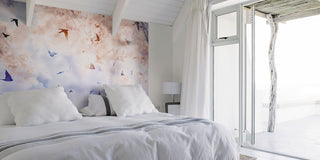
One of the most effective minimalist strategies is to layer tone on tone. Instead of relying on contrast, build interest through small variations in hue, texture, and finish. Off-whites, warm grays, and sand tones work beautifully together when each surface brings something different, a matte plaster wall beside brushed metal fixtures or linen upholstery against a soft vinyl finish.

This tonal layering creates a sense of quiet depth, like a room you feel before you notice.
Keep the palette tight but varied in texture, rough next to smooth, matte beside sheen, to avoid the flatness that can come with too much uniformity.
3. Use Dark Tones as Anchors
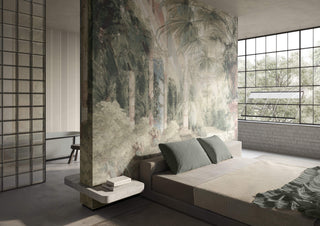
Minimalism thrives on balance, and that often means giving the eye a place to rest. Deep, muted shades like charcoal, graphite, or soft black add grounding to an otherwise airy palette. They define edges, enhance structure, and create visual calm through contrast.


Dark tones don’t have to feel heavy; their effect depends on finish. A textured charcoal wall feels warm and enveloping rather than stark.
Integrate darker elements through architectural details; baseboards, trim, or one feature wall, rather than large furniture pieces. It keeps the space light but composed.
4. Add a Saturated Accent with Purpose
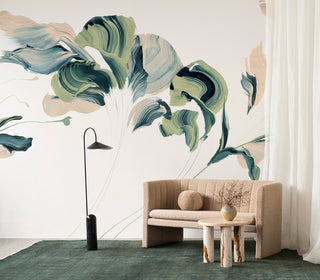
Minimal doesn’t mean monochrome. The right color, used deliberately, can add emotion without disrupting restraint. Deep blue-greens, dusky ochres, and clay tones bring mood and sophistication to neutral schemes. The secret is in isolation, one strong color element framed by stillness.

A single wall, chair, or art piece in a rich hue can shift the entire temperature of a space.
Pair saturated tones with natural materials like oak, linen, or travertine to balance depth with tactility.
5. See Light as a Design Tool
Light defines texture. The same wall can look completely different from morning to evening depending on how it’s lit. In minimalist interiors, where every surface earns its place, light becomes the finishing layer that reveals tone, shape, and material.


Soft, diffused lighting enhances warmth, while accent lighting sharpens shadows and brings sculptural definition.
Layer your lighting plan, combine ambient (for mood), task (for clarity), and accent (for depth). A minimalist room should glow, not glare.
Final Thought
Successful minimalism isn’t about stripping everything back, but refining until what remains feels considered and complete. Texture and tone transform simplicity into atmosphere, giving rooms life without visual noise.
The Essential Collection by Wall&Decò captures that philosophy in form: calm surfaces with tactile depth, subtle geometry, and the kind of texture that speaks softly but leaves a lasting impression.
Explore the collection and discover how minimalism, when shaped through texture, becomes far from minimal in feeling.