


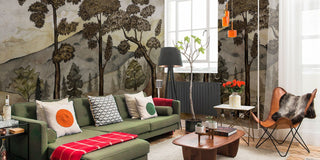
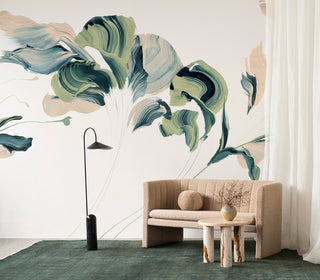
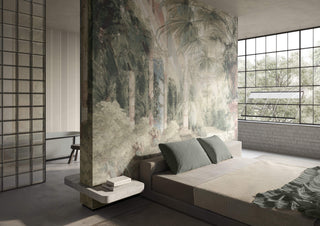


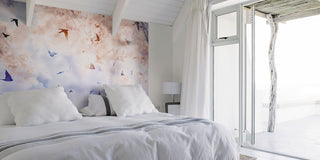


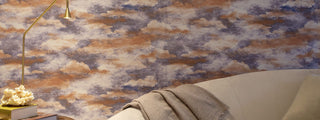

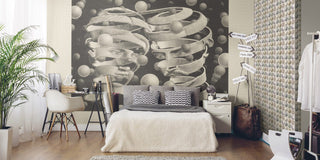
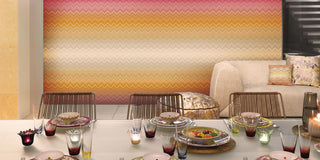
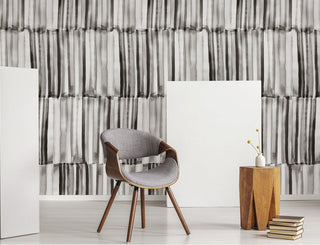
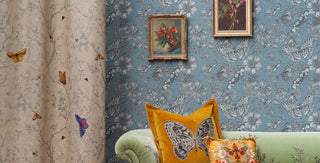
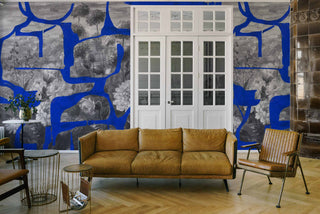


Walls don’t have to rely on bold pattern to make an impact. Sometimes, it’s depth, rhythm, and form that shape a space most powerfully. This edit explores form-led wallpapers that use surface, tone, and structure to create calm, architectural interiors with lasting presence, with stunning visual examples from Wall&Deco.
A little about depth by design
Form-led wallpaper is about restraint and intention. Rather than decorative motifs or illustrative prints, these designs focus on surface, repetition, and material effect. Some create depth through subtle relief or texture, others through tonal contrast, scale, or graphic rhythm, but all share the same purpose: to shape a room effectively. It’s an approach that feels considered, timeless, and deeply rooted in architectural thinking.
1. Let Form Lead the Design
In form-led interiors, structure takes precedence over decoration. Repeating lines, soft geometry, and architectural motifs guide the eye across a wall without overwhelming it. Flat designs excel here, proving that visual depth doesn’t need to be physical to be effective.

Used across larger surfaces, these patterns introduce rhythm and cohesion, anchoring a space while allowing furniture and materials to breathe. The result feels calm and intentional, ideal for interiors that favour clarity over visual noise.
2. Depth Doesn’t Have to Be Physical
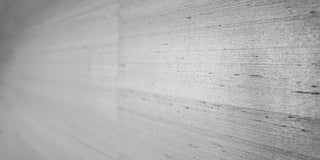
One of the strengths of this style is its flexibility. Some wallpapers create dimension through relief, embossing, or sculptural surfaces that interact with light and shadow. Others rely on tonal layering, scale, or graphic repetition to achieve depth without texture.


Both approaches deliver a similar effect: walls that feel layered and spatial rather than flat or purely decorative. This makes form-led designs particularly effective in contemporary homes, where subtlety often carries more impact than contrast.
3. Use Texture as an Accent, Not a Requirement
While textured wallpapers can add richness, they work best when treated as a design tool rather than a default choice. In form-led interiors, texture is often used selectively; to highlight a feature wall, define a zone, or add emphasis to a specific architectural element.

Balancing textured designs with flatter surfaces elsewhere keeps the space feeling cohesive and controlled. The goal is not to overwhelm, but to enhance the overall sense of depth and structure within the room.
4. Calm Palettes, Strong Structure
Colour plays a supporting role in form-led design. Neutral and muted palettes allow structure to take centre stage, letting pattern and surface define the space rather than bold hues.


Soft whites, warm greys, mineral tones, and gentle blushes highlight form without competing for attention. These quieter palettes also make the designs more versatile, working across different rooms and interior styles while standing the test of time.
5. Let Light Do the Work
Form-led wallpapers come alive through light. Directional lighting and natural daylight enhance tonal variation, surface detail, and repetition, creating subtle shifts throughout the day.

Positioning these designs in spaces with good natural light, or pairing them with considered lighting schemes, allows depth to emerge gradually rather than all at once. It’s this interaction between surface and light that gives form-led walls their understated presence.
6. Think Like an Architect, Not a Decorator
Styling form-led wallpaper benefits from an architectural mindset. Clean-lined furniture, natural materials, and thoughtful spacing complement the structured nature of these designs. Over-accessorising can dilute their impact, while restraint allows the walls to perform as intended.

Think of these wallpapers as materials; designed to shape how a space feels, not just how it looks. When treated this way, they bring a sense of balance and confidence to an interior.
Why Form-Led Design Endures
Form-led wallpaper offers a quieter kind of impact. Through surface, structure, and subtle depth, these designs create interiors that feel grounded, modern, and enduring. Whether flat or textured, they prove that strong design doesn’t need to shout to be felt, it simply needs intention. Discover designs with depth at NewWall today.