












The Devil Wears Prada: Interior Lessons from Miranda Priestly

With The Devil Wears Prada 2 on the horizon, fashion’s most iconic film is back in the cultural spotlight. Nearly two decades after its original release, Miranda Priestly’s razor-sharp style, unforgettable one-liners, and legendary cerulean monologue still shape the way we think about fashion.
But the film’s influence doesn’t stop at the wardrobe. Many of the same principles that define great personal style (confidence, precision, and attention to detail) translate seamlessly into interior design.
From bold color choices to the power of restraint, here are a few interior lessons inspired by Miranda Priestly herself.

“It’s actually cerulean.”
Perhaps the most famous speech in the film, Miranda’s cerulean monologue reminds us that color trends rarely appear by accident. Every shade has a lineage, shaped by designers, culture, and time.
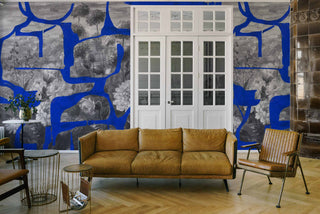
In interiors, color carries the same weight. A single tone can define the mood of an entire room. Soft blues bring calm and clarity, while deeper tones introduce richness and sophistication.
The lesson? Don’t treat color as an afterthought. The right shade can anchor a space and influence everything around it, from textiles and furniture to lighting and materials.


“Florals? For spring? Groundbreaking.”
Miranda’s sarcasm is legendary, but her point is surprisingly relevant to design: great style isn’t about repeating what’s expected.
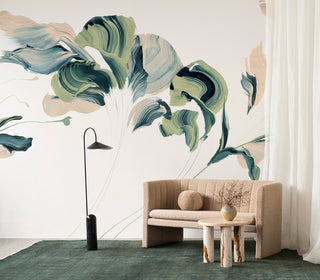
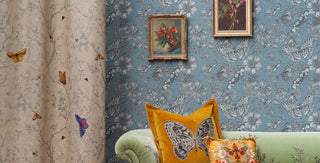
In interiors, classic motifs like florals, stripes, and botanicals remain timeless for a reason. The key is finding ways to reinterpret them. Oversized patterns, abstract interpretations, or unexpected color palettes can transform a familiar design into something fresh and modern.


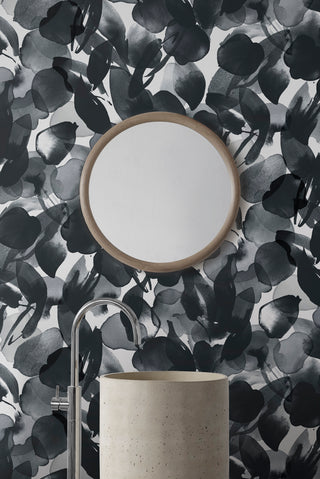



Just like in fashion, the most compelling interiors take traditional ideas and present them through a new lens.

“There is no one who can do what I do.”
Confidence is the foundation of great style, and Miranda Priestly has it in abundance.
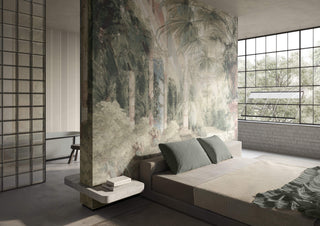
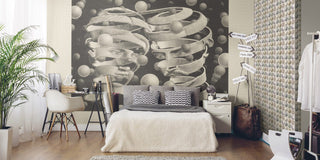
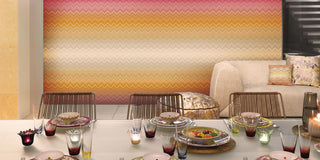
In interiors, this translates to embracing bold design decisions instead of playing it safe. A striking pattern, a dramatic color palette, or a statement-making feature can completely transform the atmosphere of a room.
Spaces that feel memorable rarely come from cautious choices. Instead, they emerge when designers commit fully to a concept and allow it to shape the room.


Spaces that feel memorable rarely come from cautious choices. Instead, they emerge when designers commit fully to a concept and allow it to shape the room.

“Details of your incompetence do not interest me.”
If Miranda teaches us anything, it’s that details matter.
In fashion, the smallest elements (fabric texture, tailoring, accessories) separate a good look from a great one. Interiors work in much the same way.


Lighting, hardware, trim, and material finishes all contribute to the overall composition of a space. Thoughtful details create cohesion and refinement, elevating a room beyond the ordinary.
Often, it’s these subtle choices that leave the strongest impression.

“That’s all.”
Sometimes, the most powerful design decision is knowing when to stop.
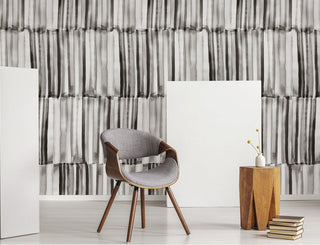
Miranda’s famously brief dismissal perfectly captures the idea of editing. The most compelling interiors rarely rely on filling every surface or corner. Instead, they allow the strongest elements in the room to breathe.
A bold wall treatment, a sculptural piece of furniture, or a striking artwork can become the focal point when the rest of the space is kept intentionally simple.


In design, restraint can be just as impactful as extravagance.

Style That Speaks for Itself
The world of The Devil Wears Prada may revolve around fashion, but its lessons extend far beyond the runway. Confidence, attention to detail, and thoughtful design choices shape both wardrobes and interiors alike.
Whether you’re embracing color, reinventing classic motifs, or editing a room down to its most impactful elements, the goal is the same: to create a space that feels intentional and unmistakably your own.
Because, as Miranda Priestly would surely agree, great style never happens by accident.