









Embracing Abstraction: A Guide to Creating Interior Impact
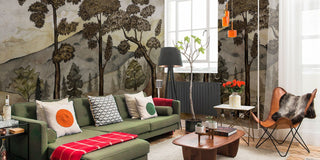
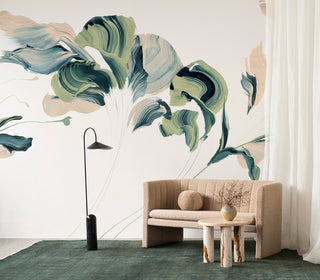
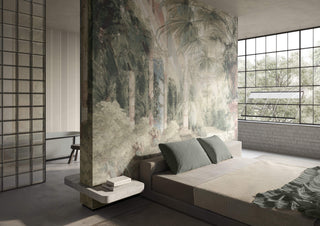
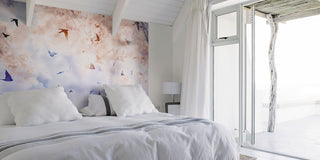
Abstraction has become one of the most compelling directions in interior design in 2026; not as decoration, but as a way of shaping space. Abstract wallpapers move beyond motif or narrative, and instead focus on rhythm, movement, surface, and depth. The result is impact without excess: walls that feel considered, architectural, and elegantly expressive…but only when done right. Read on to discover our tips, tricks and advice for making an interior impact using abstract wallpapers - with stunning visual examples from Wall&Deco and Tres Tintas.
Lesson 1: Embracing Abstraction
Embracing abstraction means moving away from literal imagery and toward feeling. By distilling form, color, and movement to their essentials, abstract design uses shape and surface to create atmosphere rather than representation. The focus shifts from what a wall depicts to what it brings to a space; rhythm, depth, balance, and emotion.

Rather than dominating a room, abstraction works by subtly shaping how a space is experienced. Depending on its application, it can soften an interior, anchor it, create a sense of expansion, or introduce quiet energy…all without overwhelming the surrounding design.
Lesson 2: Let the Wall Act Like Architecture
Abstract wallpaper is most effective when it’s treated as part of the structure of a space rather than a decorative layer.

Designs that emphasize repetition, scale, or subtle movement can visually expand a space or give it a stronger sense of order.

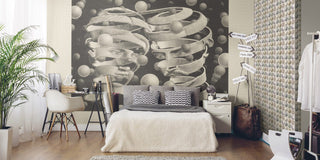
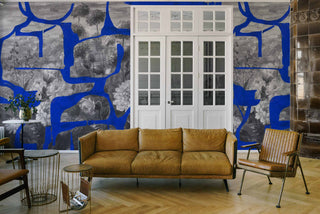
Used across full walls or entire rooms, abstraction becomes immersive, less of a focal point and more of a framework. This approach works particularly well in living spaces and hallways, where the wallpaper can guide the eye and create flow without distraction.

Lesson 3: Use Depth Instead of Contrast
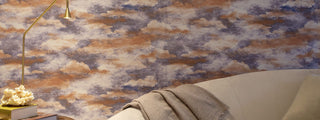
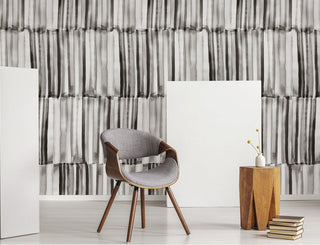
One of abstraction’s strengths is its ability to create interest without relying on sharp contrast or bold color. Tonal shifts, layered effects, and surface variation add richness while keeping the palette restrained.


This kind of depth works beautifully in contemporary interiors, where the goal is often atmosphere rather than statement. Abstract designs with subtle movement respond to light throughout the day, bringing a sense of quiet dynamism to the room.
Lesson 4: Balance Flat and Textured Surfaces
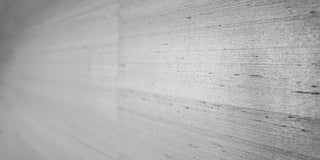
Not all abstract wallpapers rely on physical texture, and that’s part of their versatility. Some create depth optically, through painterly effects or graphic rhythm, while others introduce relief or tactile detail.

When styling a space, consider how these surfaces interact. Pairing a visually rich but flat wallpaper with natural materials like wood, stone, or linen can achieve balance. Textured designs, on the other hand, work best when the rest of the space remains pared back, allowing the surface to speak for itself.
Lesson 5: Think in Zones, Not Statements
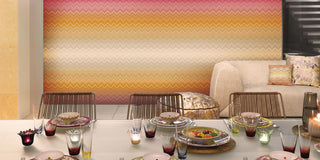
Abstract wallpaper doesn’t always need to cover an entire room to make an impact. Used strategically, it can define zones within an open-plan space or add focus to quieter areas such as reading corners, bedrooms, or transitional spaces.


Because abstraction avoids literal imagery, it integrates easily without feeling theme-driven. This makes it ideal for spaces where you want interest without committing to a single narrative or style.
Let Furniture and Light Complete the Picture
The success of abstract wallpaper often lies in what surrounds it. Clean-lined furniture, thoughtful spacing, and considered lighting allow the wall to function as a backdrop with presence.


Soft, indirect lighting enhances tonal variation and surface detail, while avoiding glare that can flatten the design. The aim is not to compete with the wallpaper, but to let it shape the mood of the space as a whole.
In interiors, abstraction provides a way to introduce personality without noise, and impact without overwhelm. It allows walls to participate in the architecture of a space, rather than simply decorating it.
When used thoughtfully, abstract wallpaper becomes less about what you see and more about how the room feels.
Explore abstract designs at NewWall, today.