







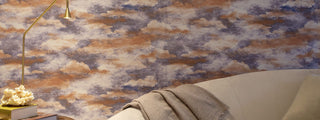

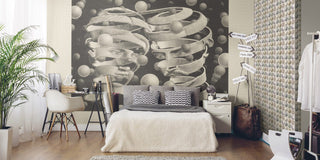
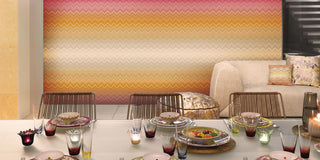
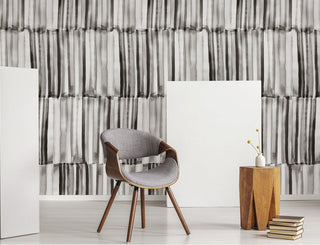
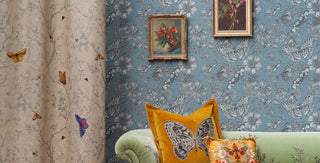
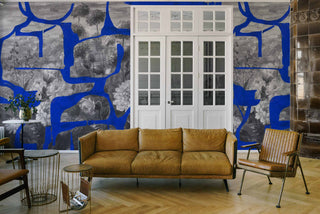


Pattern has the power to completely change how a room feels. It can add softness, energy, structure, movement, or a sense of escape. But for many people, expressive wallpaper can feel intimidating. The question is not whether pattern works, but how to make it feel balanced in your space.
This guide explores six ways to style expressive wallpaper with confidence, using visual examples from Maison Martin Morel to show how pattern can bring character into the home while still feeling easy to live with.

1. Start with One Lead Pattern
The easiest way to bring expressive wallpaper into a room is to let one pattern take the lead. Rather than mixing several prints at once, choose a single design that sets the tone, then build the rest of the room around it.

This gives the space a clear focal point and helps everything else feel more intentional. If the wallpaper is floral, keep nearby upholstery simple. If the pattern is bold or highly detailed, choose quieter furniture, pared-back accessories, and solid-colored textiles.
2. Use Color to Control the Mood
Color is one of the most important tools when styling pattern. The same level of detail can feel completely different depending on the palette.

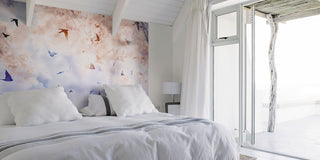
Soft tones make expressive wallpaper feel calmer and more relaxed, while warmer or brighter colors bring more energy.
If you are nervous about using pattern, start with a palette that already exists in your home. Pull one or two shades from your furniture, rug, artwork, or curtains, then choose a wallpaper that sits comfortably within that range. This creates connection between the walls and the rest of the room.

3. Balance Curves with Clean Lines
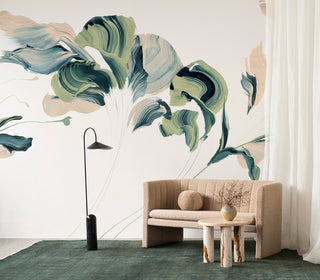
Patterns with curves, waves, florals, and flowing forms bring movement into a space. They can soften hard architecture, add energy to simple rooms, and make walls feel more dynamic.


To keep the look balanced, pair these patterns with clean-lined furniture and simple silhouettes. A curved or flowing wallpaper does not need overly decorative furniture competing with it. Instead, try structured sofas, plain curtains, simple side tables, and unfussy lighting.
This contrast helps the pattern feel elegant rather than busy.

4. Let Scenic Designs Open Up the Space
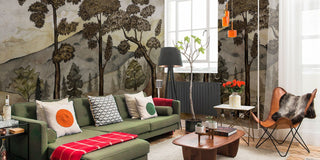
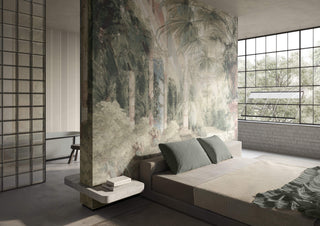
Scenic and landscape-inspired wallpapers can make a room feel more expansive. Rather than simply adding pattern, they create a sense of depth, which can be especially effective in smaller rooms or spaces that need a stronger focal point.
The trick is to give scenic wallpaper enough room to breathe. Use it on a full wall where possible, rather than breaking it up too much with shelves, large artwork, or heavy furniture. Keep surrounding decor simple and let the view become part of the atmosphere.

5. Use Geometrics for Structure
If florals and flowing patterns feel too soft, geometric wallpaper can bring order and definition. Checks, grids, repeated shapes, and angular motifs create a sense of structure, making them useful in rooms that need clarity.
Geometrics are especially effective in hallways, offices, bathrooms, and dining areas because they add visual interest while still feeling controlled. They can also work beautifully alongside more organic materials, such as wood, linen, stone, or woven textures.
6. Keep the Rest of the Room Quiet
One of the simplest ways to style expressive wallpaper is to give it space. Pattern feels more livable when the rest of the room is allowed to support it rather than compete with it.

Repeat one or two colors from the wallpaper elsewhere in the space. Add texture through rugs, cushions, ceramics, wood, or woven materials. Keep artwork minimal if the wallpaper is highly detailed, and avoid introducing too many additional prints unless you are intentionally pattern mixing.
This approach works across almost any style of wallpaper. Whether the design is floral, scenic, geometric, or abstract, the same principle applies: let the wallpaper carry the character, then use the rest of the room to create balance.
Why Pattern Works Best with Restraint
Expressive wallpaper does not need to overwhelm a space. When styled carefully, pattern can make a room feel more personal, more layered, and more complete.
The secret lies in balance. Choose one lead pattern, control the mood through color, contrast flowing designs with clean lines, give scenic wallpapers room to breathe, and use geometric prints where structure is needed.
With the right styling choices, pattern becomes less intimidating and much easier to live with.