







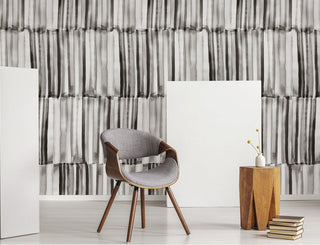
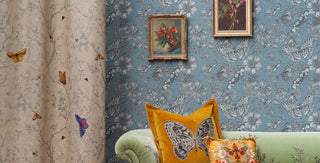
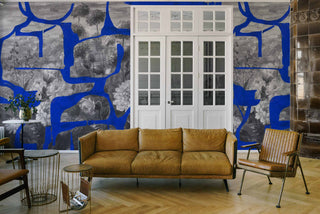


Textile wall hangings are re-entering the interior conversation, and we love it. They’re a direct response to how we want our spaces to feel now: softer, warmer, more layered; ultimately, more human. And when it comes down to it, that’s what interior design is really about.
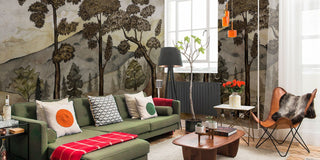
When used effectively, textile wall hangings bring texture, depth, and material presence to the wall, offering an alternative to flat artwork or purely visual finishes. This guide explores why textiles feel so relevant right now, and how to introduce them into your space in a way that feels considered, intentional, and entirely your own with stunning examples from Coordonné, House of Hackney and Timorous Beasties.
The Return of Tactile Art
The renewed interest in textile wall hangings reflects a broader shift in how we think about art on the wall.
Rather than purely visual statements, there’s a growing appetite for pieces that bring material presence…works that add depth, softness, and texture as much as imagery.
Textile art does something flat finishes can’t. It absorbs sound, softens hard architectural lines, and introduces a sense of movement through weave and stitch. In interiors that already balance clean forms and modern furniture, these tactile elements add contrast and warmth without disrupting the overall clarity of the space.
This return to material-led art also speaks to a desire for authenticity. Woven pieces carry visible evidence of process; variation, imperfection, and handcraft, qualities that feel increasingly valuable in interiors shaped by digital tools and smooth, repeatable surfaces.
As Christian Bense notes, there’s a growing interest in tactile art forms like tapestries precisely because of this layered effect. Whether modern or antique, textile wall hangings feel at home across interior styles, contributing depth and character while remaining grounded and organic.
Designer Rachel Chudley also points to the emotional resonance of these works. In moments when the world feels heavy, creative, textural pieces on the wall help create interiors that feel warmer and more comforting, spaces that are designed not just to be seen, but to be felt.
How to Bring Textile Wall Hangings into Your Space
The beauty of textile wall art lies in its versatility. Whether used as a subtle accent or a focal point, it adapts easily across styles and room types. The key is to think about role, not just pattern.
Added Anchors
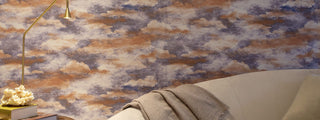
In calm, neutral interiors, woven wall hangings can act as grounding elements.
Designs inspired by traditional craft, stained glass, or artisanal motifs bring warmth without dominating a space.


Hung behind a sofa, bed, or dining table, they add depth while maintaining a sense of restraint.
Welcoming rhythm
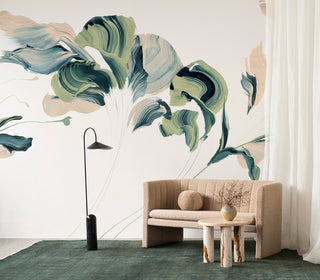
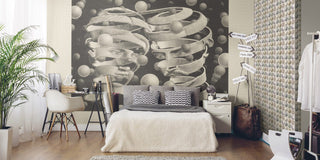
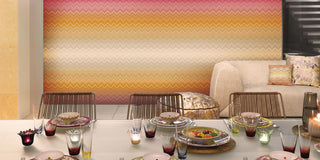
For contemporary spaces, repeating pattern textiles offer definition softened by texture.


These bold compositions add rhythm and clarity, while the fabric surface keeps the result from feeling too sharp or rigid.
These work particularly well in offices, dining rooms, or modern living spaces.
Embrace Storytelling
Textiles have always been a narrative medium.


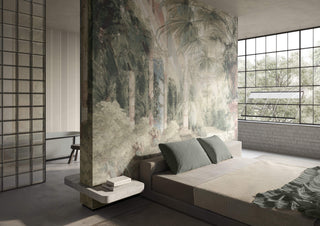
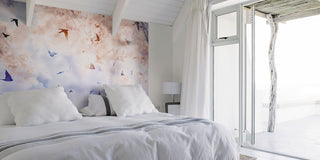
Fantasy-inspired designs, animal imagery, and symbolic motifs turn walls into storytelling surfaces.

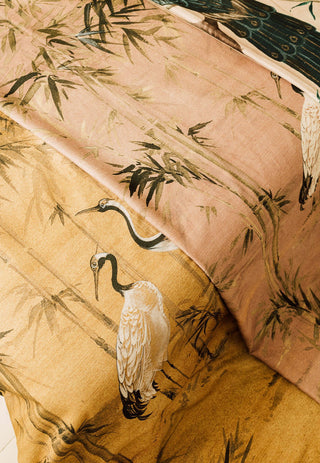
Perfect for bedrooms, reading nooks, or intimate spaces where atmosphere matters most.
Textile wall hangings sit at the intersection of art, craft, and interior design. They soften spaces acoustically and visually, introduce warmth, and bring a human hand to the wall.
More than a trend, they reflect a desire for interiors that feel intentional, comforting, and personal.